
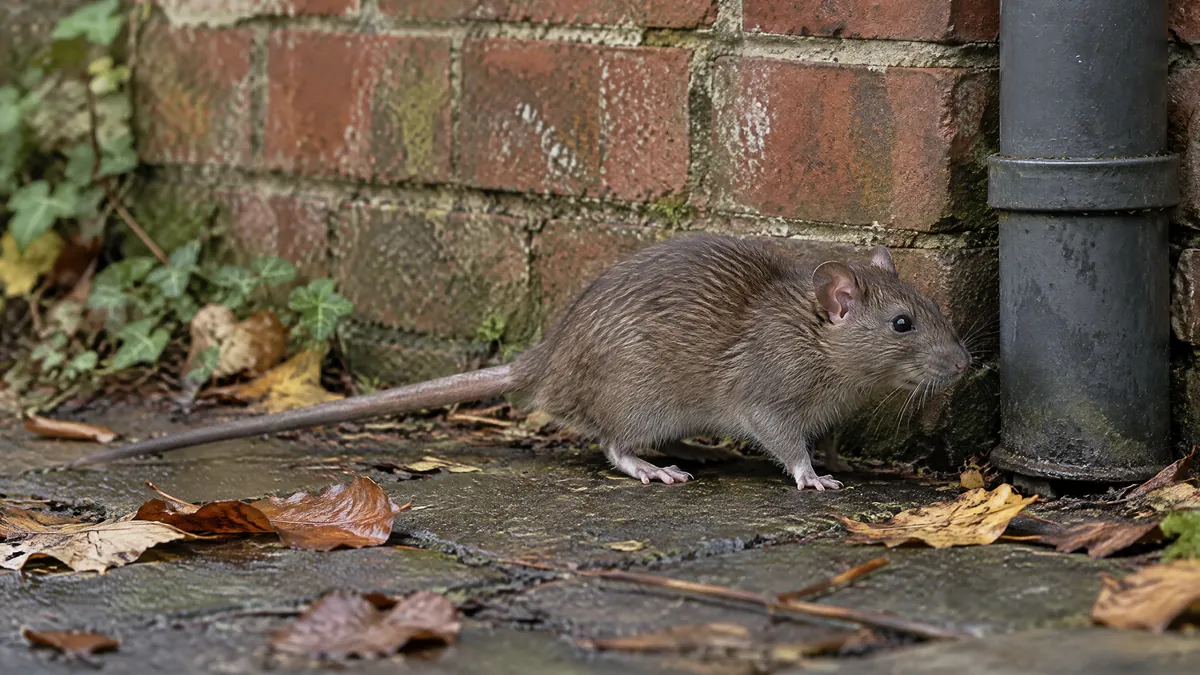
First decide what is genuinely urgent
If you have seen a rat inside, found droppings near food or heard movement in a wall, loft or floor void, keep people and pets away and avoid chasing it. A sound alone cannot confirm whether it is a rat or squirrel, so note where and when you saw or heard it. Do not use loose poison or attempt a risky trap setup before advice.
For food businesses, stop using any affected preparation or storage area, separate exposed food and record what was found. Food that may have been contaminated should not be served. Tell the caller whether the issue is in a kitchen, stockroom, shop floor or shared building.
- Do not touch droppings, nesting material or a wasp nest with bare hands.
- Close food containers and bins, and remove accessible food waste only if safe.
- If safe, take a photograph and note entry points, damage, smells and activity times.
Indoor rats and possible food contamination
Rats can shelter in roof spaces, wall cavities, under floors and drains. Gnawing, droppings, torn food packaging, greasy marks and scratching are useful clues, but identification still needs care. Keep children and pets out of the suspected route and do not seal an opening if that could trap an animal.
An assessment should consider food and refuse access, water, harbourage and entry points. Treatment may involve an agreed control plan, monitoring and proofing or repair recommendations; the suitable method cannot be confirmed until the property is assessed. Tenants should tell the landlord or managing agent about access defects or shared drainage.
Wasp activity near people or entrances
Do not knock down, block or spray an active nest. Wasps can defend a disturbed nest with multiple stings, and a nest in a loft, wall cavity, doorway, school route or busy workplace needs a careful risk assessment. Keep people away from the flight path while arranging advice.
Throat or tongue swelling, difficulty breathing, faintness, confusion or collapse after a sting is a medical emergency: use an adrenaline auto-injector if prescribed and call 999. Pest control cannot replace medical treatment. For fire, electrical or structural danger, leave the area and call 999.
What to include when you call
Give the location, property type, pest or suspected pest, where it was seen, whether food or customers are affected, and whether anyone is vulnerable to stings. Mention pets, children, tenants, locked areas, loft access and previous treatment. Ask what availability, inspection steps may apply; do not assume 24-hour attendance.
Wigan Council lists council-housing pest treatment by appointment and says it no longer provides the service to private tenants, landlords or homeowners. For a private property, confirm availability and access permission by phone.
Questions about emergency pest control
What people ask before booking
Can you attend a pest problem immediately in Wigan?
Call 01942 565 089 with the details and ask about current availability. Response timing depends on the property, pest, access and risk. No 24-hour attendance or guaranteed arrival should be assumed unless confirmed for your booking.
What should I do if a rat has been near food?
Keep people and pets away, stop using the affected area, separate exposed food and do not serve anything that may be contaminated. Record what happened and explain the location and food-handling setup when you call.
Is a wasp sting a pest-control emergency?
A nest near people or an entrance can need prompt advice, but breathing difficulty, throat or tongue swelling, faintness or collapse after a sting requires an adrenaline auto-injector if prescribed and an immediate 999 call.
Related help for your property
Further reading: identification, safety and local guidance
- BPCA: Pest advice for controlling Rats (opens in a new tab)
- NHS: Anaphylaxis (opens in a new tab)
- Wigan Council: Pests (opens in a new tab)
Pest images are illustrative, not photographs of a customer's property.