
Inspection comes before treatment
Bed bugs can hide in bed frames, mattress seams, furniture, clothing, behind pictures and under loose wallpaper. Their bites may appear in lines or groups, but similar marks can have other causes and some people do not react to bites. An inspection should examine the sleeping area and surrounding furniture rather than relying on skin marks.
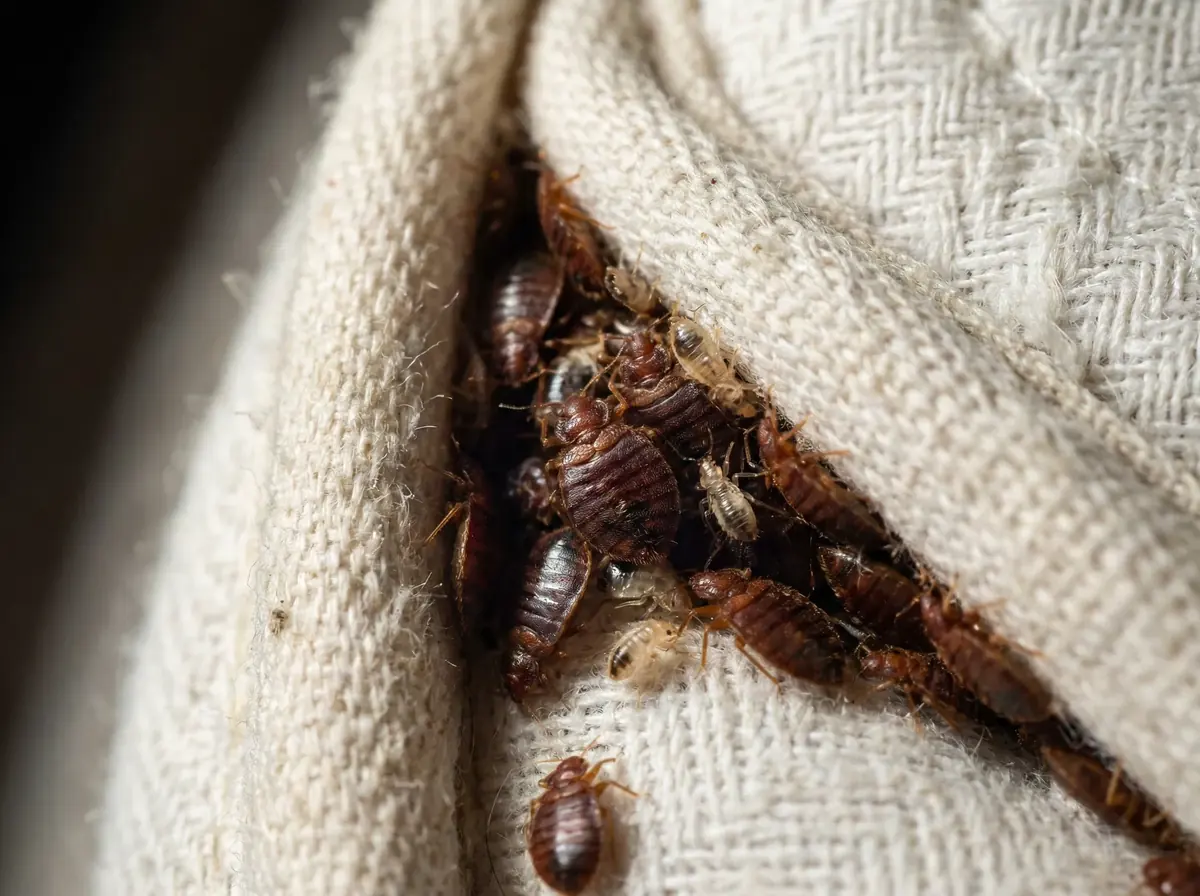
Look out for live brown insects, pale shed skins, tiny eggs, small brown faecal spots or blood marks on bedding. If no evidence is found, discuss what was checked and whether monitoring or further assessment is appropriate, rather than applying an unconfirmed treatment.
Prepare without moving the problem
Do not carry mattresses, bedding, clothing or furniture to another room unless advised how to contain it. Moving items can spread bed bugs. Keep clutter away from the bed and tell the technician about other rooms, adjoining properties, recent travel, second-hand furniture and earlier products used.
Before a visit, follow the preparation instructions given for the property. Affected bedding and clothing may need a hot wash at 60°C and a hot tumble-dry cycle for at least 30 minutes. Items that cannot be washed should be contained and handled according to the agreed plan; do not guess with pesticides or discard furniture without advice.
Treatment is chosen after assessment
Treatment may involve a professionally selected residual product, targeted equipment or a combination of methods. The plan depends on the evidence, rooms involved, construction, access and what has already been attempted. Any product must be used according to its label, with clear instructions about preparation, re-entry and cleaning afterwards.
Heat is not an automatic answer. It is considered only where the inspection shows it is suitable, the property can be prepared safely and the equipment and service are available. A technician should explain what the method covers and any limits before work starts.
Follow-up matters
Eggs and hidden insects can mean that one visit is not the end of the process. Follow-up inspection or treatment may be recommended to check activity, revisit relevant harbourages and adjust the plan if evidence remains. Do not wash or vacuum treated areas until you have been told it is safe to do so, because cleaning can remove residual treatment.
For flats and other multi-occupancy buildings, tell the landlord or managing agent promptly and ask whether neighbouring rooms need checking. Wigan Council lists bed bugs among the pests it treats for council housing tenants; it says private tenants, landlords and homeowners should arrange their own pest control.
Questions about bed bug treatment
What people ask before booking
Are bites enough to confirm bed bugs?
No. Bites can look like other insect bites and some people have no visible reaction. Confirmation should come from an inspection for insects or physical signs around the bed and nearby hiding places.
Should I move the bed or throw away the mattress before treatment?
Do not move suspect items to another room or dispose of them without advice. Moving them can spread bed bugs, and many items can be assessed and treated as part of a planned visit.
Will heat treatment always be used?
No. Heat is considered only if it is suitable for the property, preparation can be completed safely and the service is available. The inspection should inform the method and any follow-up needed.
Related help for your property
Further reading: identification, safety and local guidance
- BPCA: Pest advice for controlling Bed bugs (opens in a new tab)
- NHS: Bedbugs (opens in a new tab)
- Wigan Council: Pests (opens in a new tab)
Pest images are illustrative, not photographs of a customer's property.