
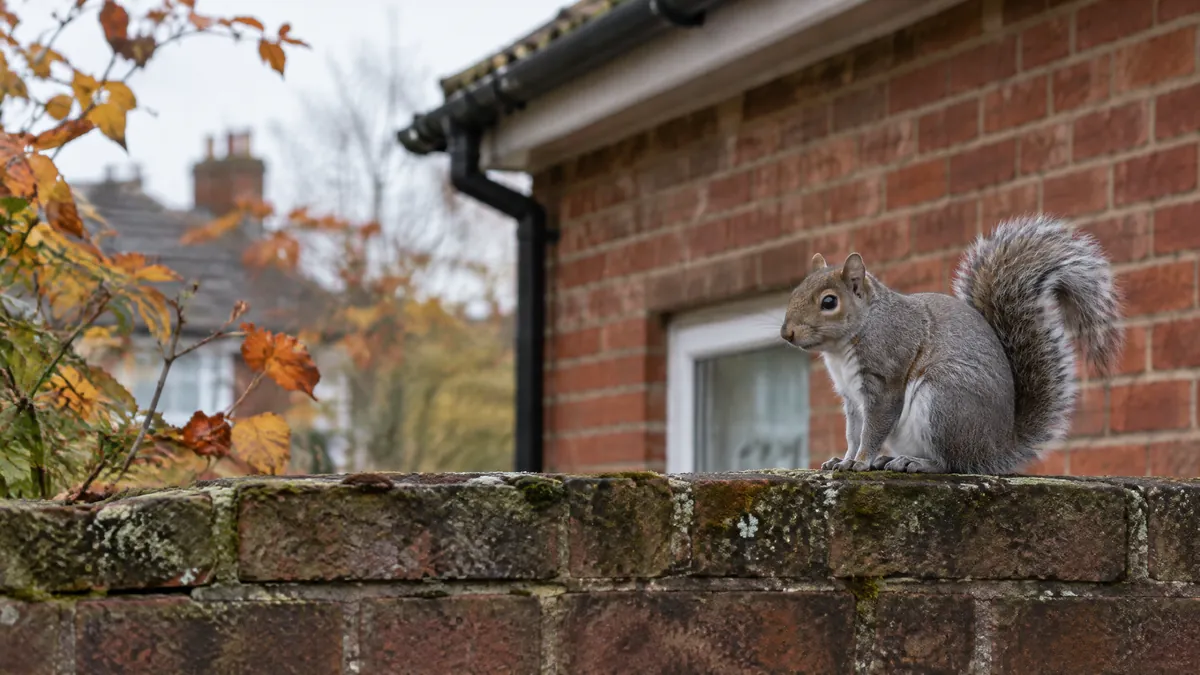
Roof void noises need identification
A roof void, loft or boxed-in service route can make movement sound louder than it is. BPCA notes that scratching, gnawing and scuttling can also be attributed to squirrels, so sound alone is not a reliable identification. Droppings, gnawing, smear marks, disturbed insulation and the timing of activity give an inspection more useful evidence.
Before a visit, note where the noise is strongest and whether it occurs at night or during the day. Do not enter an awkward loft space or disturb suspected nesting material unnecessarily. Access to the loft, eaves, adjoining voids and external roofline may be needed to trace the route safely.
- Keep pets and children away from droppings or damaged areas.
- Do not seal a suspected entry point until the animal and route have been assessed.
- Keep a note of sightings, sounds and any new damage.
Gardens, sheds and shared boundaries
Standish includes established residential streets as well as homes close to open land and the wider countryside around the village. That geographic context matters at inspection: a boundary, hedge, shed, compost area, bin store or drain may connect an outdoor sign to the building. It is not evidence that a particular street has a pest problem, and local prevalence should never be assumed.
Look for burrows beside solid structures, gaps around pipes, damaged drain covers, loose waste-lid fittings and clutter that provides cover. BPCA recommends reducing food and shelter access, keeping waste covered and checking likely entry points. Where a boundary or drain is shared, confirm who can authorise repairs before work is arranged.
What a professional visit should cover
A useful visit should consider the species, evidence, access route and the property’s occupants or use. Depending on the findings, options may include proofing advice, removal of attractants, monitoring, traps or a controlled biocidal treatment. The appropriate combination cannot be promised before the property and circumstances are understood.
HSE explains that rodents can carry disease, damage buildings and spoil food, and that both physical and chemical controls have a place. Rodenticides carry risks to people, pets and other animals, so treatment should be proportionate, secured and managed as part of a wider control plan rather than treated as a universal solution.
Prepare for booking and follow-up
When calling, describe the property type, the affected room or roof area, access restrictions and whether the boundary, loft or drain is shared. For a rented home or commercial premises, involve the landlord, managing agent or responsible person early if structural access or repairs may be required.
After inspection or treatment, follow the practical instructions provided for hygiene, waste, food storage, access and proofing. Keep relevant areas available for any agreed follow-up checks. The scope, timing, method and quotation are confirmed for the individual property by phone.
Questions about Standish
What people ask before booking
Is scratching in a Standish roof void definitely rats?
No. Rats, mice and squirrels can produce similar sounds. Droppings, gnawing, access points and other evidence need checking before control is selected.
What should I check around a garden boundary?
Look for burrows, gaps near sheds and pipes, overgrown cover, exposed compost, accessible waste and damaged drain covers. Do not assume an outdoor sign proves an indoor infestation.
Can a tenant arrange pest control in Standish?
You can discuss the signs and property with the pest control team, but tell them if you rent or share access. Structural repairs or entry to shared areas may need landlord or agent approval.
Related help for your property
Further reading: identification, safety and local guidance
- Standish Neighbourhood Plan 2015–2030 (opens in a new tab)
- BPCA: Pest advice for controlling rats (opens in a new tab)
- HSE: Rodenticides (opens in a new tab)
Pest images are illustrative, not photographs of a customer's property.